Lenten Thoughts: Noseblowers

noseblower1.jpg

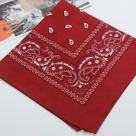
My grandson was trying to get my husband to give him all his bandana handkerchiefs to play with, but he didn’t have the correct name for the item in his very extensive three year old vocabulary. He started up the stairs to retrieve them by himself when he decided to enlist my help to get the “noseblowers.” We couldn’t help but laugh.

He called the item by its function. Makes pretty good sense. We find all kinds of reasons to identify things and describe stuff. In the very early recounting of Creation, Adam is given the daunting task of naming all the animals. I sure would like to know how he came up with hippopotamus.

noseblower2.jpg

My mother swears I created the word “humongus.” (She thinks I’m so creative and that’s one bubble I chose not to burst.) But since then we’ve come up with ginormous, absatively, and oppersponsities. (My spell checker is giving me fits right now—I’m afraid I may run out of red ink.)

Making up words is obviously not a new thing. When I studied New Testament Greek, I was always looking for the 1-1 words. These were words that were used one time by one writer. They were unique and purposely place to catch our attention. They were words “coined” or used by that writer to express something new or different, or something old in a new way. Now when you think of this, it makes a lot of sense since everything was new since Jesus.

Paul was especially good at these word creations. He would be trying to describe the enormity of God, or his love, or our responsibility and he would just start shoving words together to emphasize the “gigundousness.” Paul was pretty intense about his faith. He wanted everyone to get it. And he used and created words to create interest and attention—and believers.

“Noseblowers” caught our attention and we laughed. Grandson loved the attention and we played with handkerchiefs for over an hour. Even through the games and laughter I found myself thinking about the words I use. In Paul’s instructions to young Timothy (1 Timothy 4:12), the first thing listed for setting the example is in speech. God spoke and the world came into being. Words carry a lot of power.

We can have a lot of fun with words. We can also do a lot of damage. What will your words do today?

noseblower3.jpg

Lenten Thoughts: Service

servantheart3.jpg
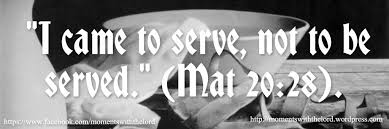
I’ve always thought that I had a servant’s heart. I’ve gone so far as to consider getting a personalized tag for my car with the Greek word for servant. I would and will do whatever I’m asked. I look for ways to make the lives of others more comfortable and enjoyable. Today as I worked with my little lady with Alzheimer’s, I decided perhaps I needed to rethink this.

As is sometimes the case, she was not in a very good frame of mind when she emerged from her bedroom. She immediately began to fuss and grouse and order me about. And it had an instant effect on my spirit. I wanted to point out all the things I do and justify myself. Not a very good servant response.

servant heart4.jpt.jpg

What I decided was: serving is easy when it’s easy to serve. As soon as it gets difficult or dirty, we find ways to back out. And if we don’t turn away, our attitude slips a little.

Here’s Paul’s take on servanthood: 1If you have any encouragement from being united with Christ, if any comfort from his love, if any fellowship with the Spirit, if any tenderness and compassion, 2then make my joy complete by being like-minded, having the same love, being one in spirit and purpose. 3Do nothing out of selfish ambition or vain conceit, but in humility consider others better than yourselves. 4Each of you should look not only to your own interests, but also to the interests of others. 5Your attitude should be the same as that of Christ Jesus. (Philippians 2:1-5a, NIV)

I think that part of what I learned putting these verses together with my run in the other morning is that it’s so not about me. My feelings were hurt when I felt unappreciated. Serving others can’t depend on their expression of gratitude. Jesus told his disciples if they were working for the pat on the back of others then that would be the sum of their reward. What we need to motivate us is not the praise of people, but the well done from God.

servant heart2.jpg

Jesus could teach this because he understood it. It was pretty clear that Jesus didn’t back away when things became difficult or painful. His service took him willingly to the cross. And that’s whose mindset we are to emulate.

I have a lot to learn about being a Jesus kind of servant. I think I’m going to skip the license plate—probably even the t-shirt.

servant heart.1.jpg